
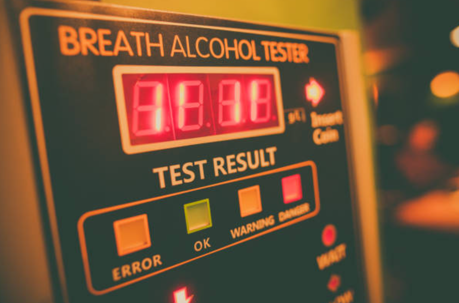
A first DUI or DUAC conviction in South Carolina can now require an ignition interlock device regardless of the reported blood alcohol concentration. This change took effect on May 19, 2024, under Act 55, often called the All Offender Law.
An arrest doesn’t itself create a conviction-based interlock obligation, but it can trigger urgent driver’s license and implied consent issues. Paul Thurmond serves as lead counsel for DUI and criminal defense matters at our firm. We help clients separate immediate administrative questions from the criminal charge that must still be resolved.
The 2024 Law Changed the Rule for First DUI Convictions
Under current law, virtually every DUI and DUAC conviction carries an interlock requirement, including a first conviction regardless of BAC level. DUAC means driving with an unlawful alcohol concentration, while DUI refers to driving under the influence.
Before Act 55, many drivers associated interlocks primarily with repeat offenses or high BAC results. A conviction for either charge now has consequences beyond fines, court conditions and a suspension.
The South Carolina Department of Probation, Parole and Pardon Services administers the Ignition Interlock Device Program. An interlock connects to a vehicle’s starting system and prevents the engine from starting when it detects alcohol at or above the program threshold.
What Is Required Before Restricted Driving Can Resume
Installing a device doesn’t, by itself, permit someone to drive. Program participation begins when SCDMV issues an ignition interlock restricted license. Drivers should treat installation, enrollment and the restricted license as connected but separate steps.
The required term has a minimum of six months for a first offense and can extend to a lifetime requirement for later offenses, depending on the number of prior convictions. The applicable period depends on the driver’s record and circumstances, not simply on how quickly the device is installed.
State-certified devices must block a vehicle from starting at an alcohol concentration of 0.02% or more. They also require running retests after the trip begins and record readings at that threshold as violations. Participants should understand the testing instructions before relying on the vehicle for work, school or family obligations.
Compliance Problems Can Add Time & Penalties
The program creates ongoing responsibilities rather than a one-time installation task. Common compliance issues include:
- Failing to complete enrollment: A driver who must participate but doesn’t enroll and install the device remains suspended until installation is complete and SCDMV issues the restricted license.
- Missing inspections: Participants must have the device inspected every 60 days so the provider can prepare a report. A missed inspection results in one ignition interlock device point. Keeping appointments and retaining program paperwork can prevent an interruption that postpones full license restoration.
- Driving without a compliant device: Driving a vehicle without the required, properly operating certified interlock creates a separate criminal risk. A first offense is a misdemeanor punishable by a fine of at least $1,000 or up to one year of imprisonment, plus a six-month extension of the interlock term. Penalties increase for later violations.
The Employment Exception Is Limited to Work Use
State law provides a narrow exception for certain work driving. A participant who must drive an employer-owned vehicle in the course and scope of employment may use that vehicle without an interlock installed, provided the use is solely for the employer’s business purposes.
This exception isn’t a general work permit and doesn’t remove the broader interlock obligation. It doesn’t authorize the use of a personal vehicle, a borrowed vehicle or an employer-owned vehicle for personal errands without the required device. Before relying on the exception, drivers should confirm who owns the vehicle and why it is being used.
The Criminal Charge & Licensing Consequences Follow Different Tracks
An interlock requirement doesn’t put the underlying DUI or DUAC charge beyond review. The criminal case and licensing consequences follow different tracks, each with deadlines, records and procedural requirements that deserve early attention.
For example, the law generally requires video recording of a DUI arrest at the incident site and the breath-test site. In City of Rock Hill v. Suchenski, the South Carolina Supreme Court held that an unexcused failure to meet mandatory recording requirements can result in dismissal without requiring the accused person to prove prejudice.
Video issues don’t always lead to the same remedy. In State v. Taylor, the court held that a Miranda-related video deficiency could require suppression of tainted evidence rather than automatic dismissal. An interlock requirement shouldn’t stop someone from examining the evidence, recordings and procedures used in the criminal case.
How We Address DUI & Interlock Consequences
We examine the criminal allegation and administrative consequences together. Our DUI defense representation addresses interlock installation issues, license reinstatement questions, Alcohol and Drug Safety Action Program (ADSAP) referrals and court-mandated treatment requirements where applicable.
Prompt compliance matters because missed program steps can extend driving restrictions. At the same time, legal or factual issues may affect the underlying charge. Understanding both tracks prevents drivers from treating an arrest, a conviction and entry into the interlock program as the same event.